
My Struggle with Bi Erasure

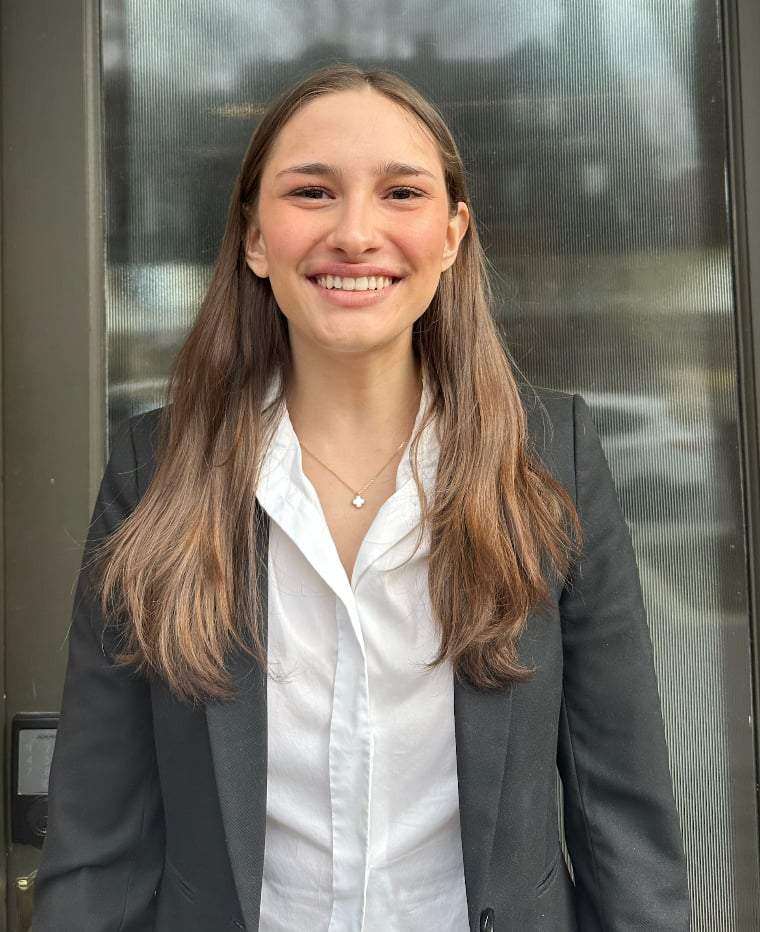
Written by: Tamera Mendes

“But you would never date a woman, right?” “Have you ever even liked a girl?”
These are the questions I get almost every time I share who I'm attracted to. I like both men and women. However, the majority of my past partners have been men. Upon hearing this, people jump straight to the conclusion that I’m lying, performing, experimenting, or confused.
Straight men tend to sexualize bi women, treating us like a fantasy rather than a reality, while queer women often don’t trust how “gay” we are. We’re either too straight to be taken seriously or too queer to be accepted elsewhere. Existing in the middle feels like constantly being cross-examined.
I have done everything I can to prove my sexuality. I have spearheaded queer chapel sermons, helped others come out, and am a co-chair of the only LGBTQ+ club within the Commerce Society at Queen’s. And still, it’s never been enough.
Over time, bi erasure has dulled my queerness. It’s made me quieter, smaller, and more careful about how I express myself. I’ve learned how to soften parts of myself to avoid being questioned, challenged, or dismissed. Now I work to actively unlearn. I want to know I can love and be loved by a woman, though this would be a difficult reality as I struggle with acceptance from my community and myself.
I’ve dealt with homophobia my entire life. For a while, I even fell into the trope of being homophobic myself; it was easier to make a joke of myself before someone else could, because it felt safer to reject something I was quietly a part of than to name it out loud. I’m not proud of that, but I think honesty matters if we actually wish to change.
I know I have it easier than many queer people do, and I hold that with care. But erasure still leaves marks. Straight people often dismiss us because they see it as a phase. Gay people sometimes ignore us because we can “flip-flop.”
I know that if I ended up with a woman, most of my family wouldn’t come to my wedding. My family and friends are my top priority, and if falling in love would disrupt that peace, I am unsure if I can be ok with that. I know my life would be easier if I stayed with a man. I think that’s why I keep this “straight” act up.
Straight privilege is real; I experience it. Bi erasure is also very real; I experience it outside and within the community, and I’ve been part of it too. I’ve made biphobic comments in the past to fit in, especially in spaces where I was seen as “too straight.” I’ve minimized myself. I’ve laughed things off. I’ve participated in my own erasure just to belong somewhere. Bi erasure affects how I speak; I get uncomfortable talking openly about women loving women, not because I don’t feel it, but because I know I can’t safely live it without consequences. There is harm to me in that visibility.
I do not like feeling this way. I want my queerness to feel whole, not diluted, not negotiated, not conditional. People in the community, including myself and allies, all have work to do. We have to confront our biases, about legitimacy, about appearance, about what queerness is “supposed” to look like. Because being “too straight to be gay” creates the same isolation as being “too gay to be straight.”
So we exist in the gap, visible when we’re convenient, invisible when we’re not. But I’m trying to change that. In myself. In my spaces. In my language. In my silence. Not by proving my queerness, but by finally allowing it to exist. My sexuality is not about taking sides, it is just existing through the discomfort and resisting disappearing.


Comments